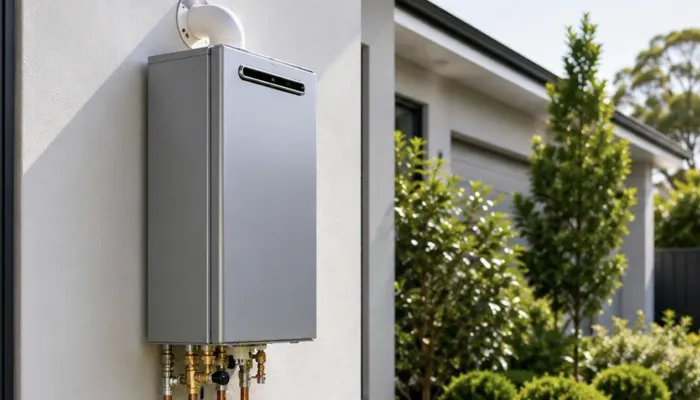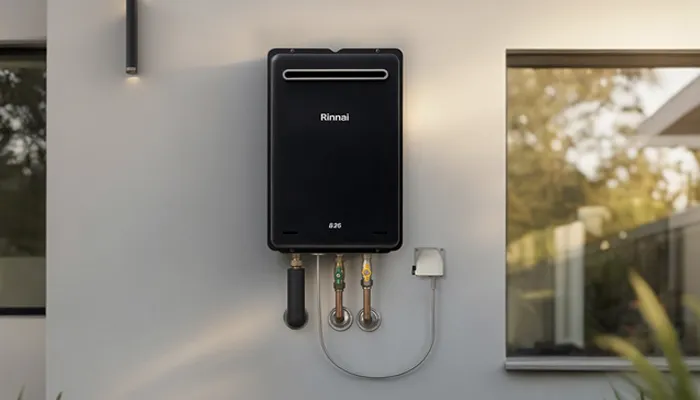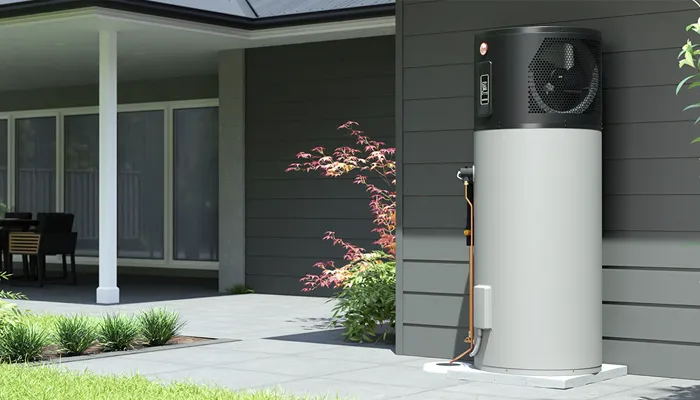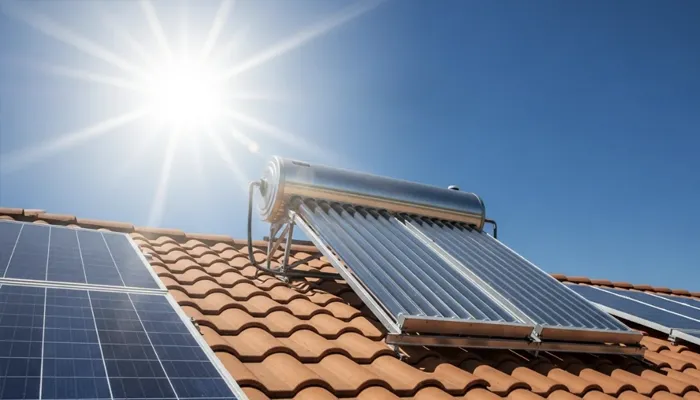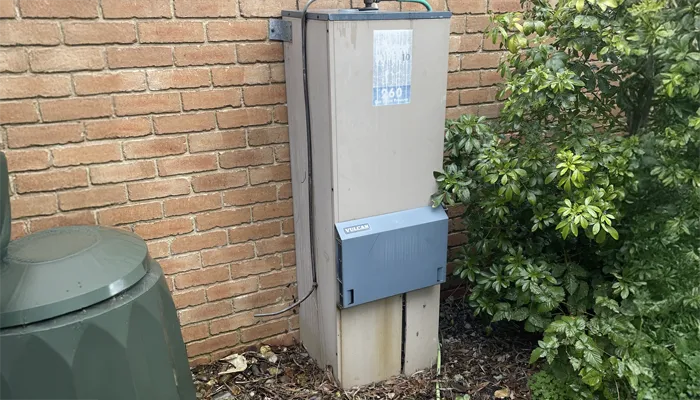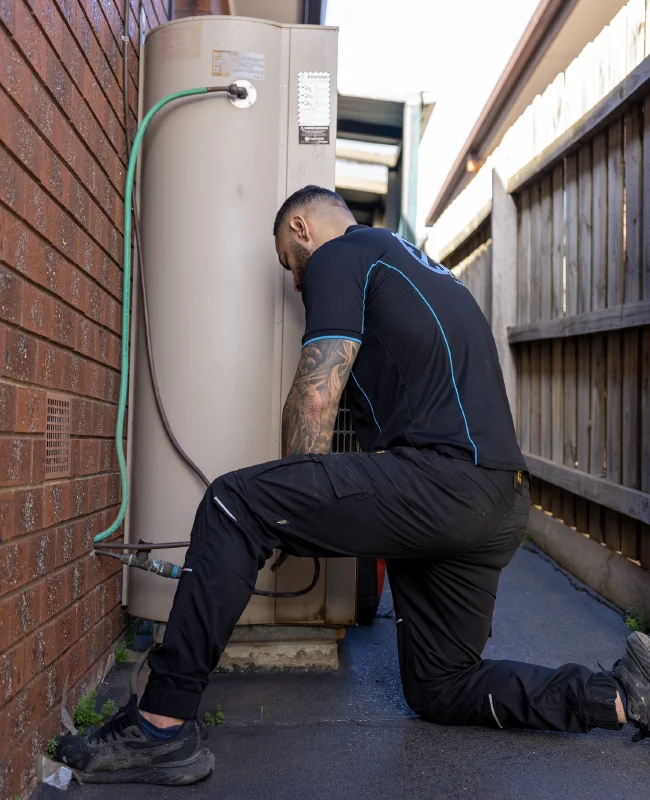





A storage tank, electric or gas, typically lasts 8 to 12 years. Continuous flow gas units often run 15 to 20. Heat pumps and solar sit around 10 to 15 with the booster replaced along the way. Melbourne water is reasonably kind to tanks, so most systems reach the top of that range if the anode has been replaced once in their life. Past 10 years, start budgeting for a replacement rather than waiting for the flood.

On electric, it is usually a tripped circuit, a burnt-out element or a failed thermostat. Check your switchboard first, because a tripped breaker costs nothing to reset. On gas, it is most often the pilot light, the thermocouple or the igniter. On any system, a leaking tank means the cylinder itself has gone. All of these except the tank are repairs, and most are done on the first visit.
Supplied and installed, expect roughly between $900 and $2,800 for a like-for-like electric or gas storage swap, and more for continuous flow, heat pump or solar. The spread depends on size, the brand, whether the new unit fits the existing space and connections, and whether any gas or electrical work needs changing to meet current rules. We quote the full job in writing, including removal of the old unit.
Rough rule: if the system is under 8 years old and the fault is a part, repair it. If it is over 10, or the repair is pushing half the cost of a new unit, replace it. A leaking tank is always a replacement because the cylinder cannot be patched. We will give you both numbers and let you decide rather than deciding for you.
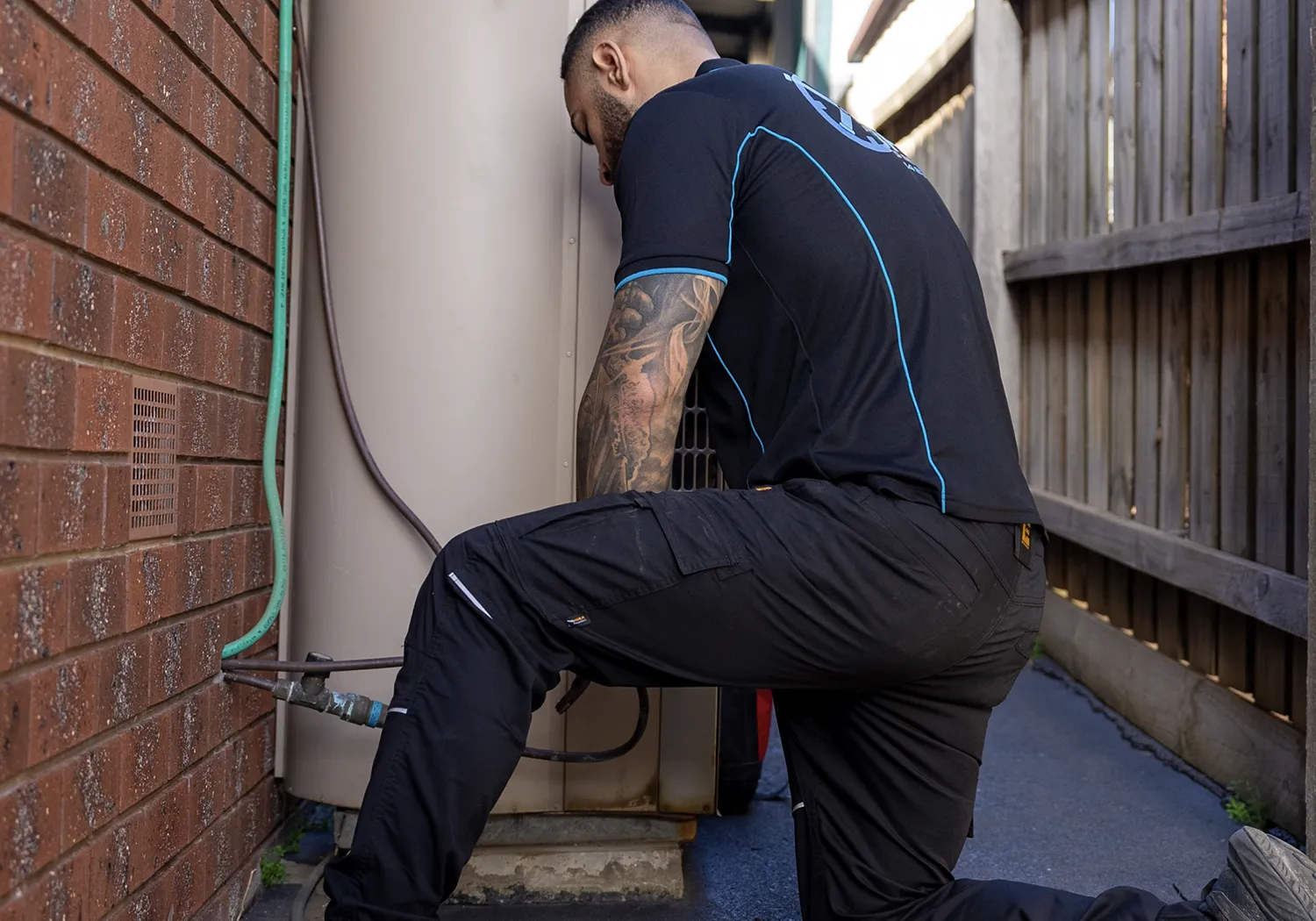
A straight like-for-like swap is usually 2 to 3 hours and you have hot water again the same day. Changing type, say electric storage to a heat pump or continuous flow, takes longer because the electrical or gas work and the mounting change. That is often a half to full day. We will tell you which it is when we quote.
As a guide, 1 to 2 people suits a 125 to 160 litre tank, 3 to 4 people a 250 to 315 litre, and 5 or more a 315 to 400 litre. Continuous flow is sized by flow rate instead, matched to how many showers might run at once. Going too small is the most common mistake and you feel it every morning, so we size on how your household actually uses water, not just a headcount.
Gas storage is cheap to install and middling to run. Electric storage is the cheapest upfront and the dearest to run. Heat pumps cost more to install and run for a fraction of standard electric, which is why the rebates point that way. Solar has the lowest running cost of all once it is in, but needs the roof space and a booster. For most Melbourne homes replacing an old electric tank, a heat pump pays for itself well inside its life.
Yes. Victorian households replacing an old system with a heat pump or solar can generally access rebates and discounts through Solar Victoria and the Victorian Energy Upgrades program, and federal STCs usually come off the price as well. Amounts and eligibility change, so we check what applies to your property and show it in the quote rather than quoting a headline figure that may have moved.
On an electric tank it is nearly always the lower element or its thermostat. The top element still heats the upper third, so you get some hot water and then it is gone. Sediment build-up does the same thing by stealing tank capacity. On gas it can be a part-blocked burner. All are repairs, and all get worse if left.
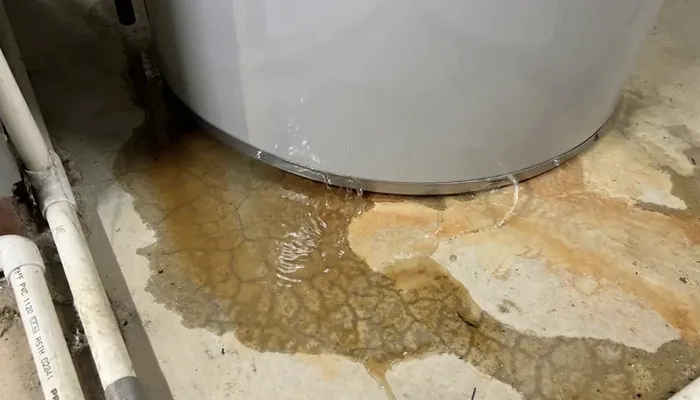
Rusty or brown water from the hot tap usually means the sacrificial anode inside the tank is spent and the cylinder has started corroding. A rotten egg smell is a reaction between the anode and bacteria in the water, and a different anode type fixes it. Either way it is a sign the tank needs looking at, because once the cylinder itself starts going there is no repair.


Licensed plumbers across Melbourne, around the clock.
Blocked Drains
Hot Water
Toilet Repairs
Leaking Taps
Leak Detection
Roof Plumbing
Gas Plumbing
24/7 Emergency Plumbing
Not sure what you need?
Talk to our team