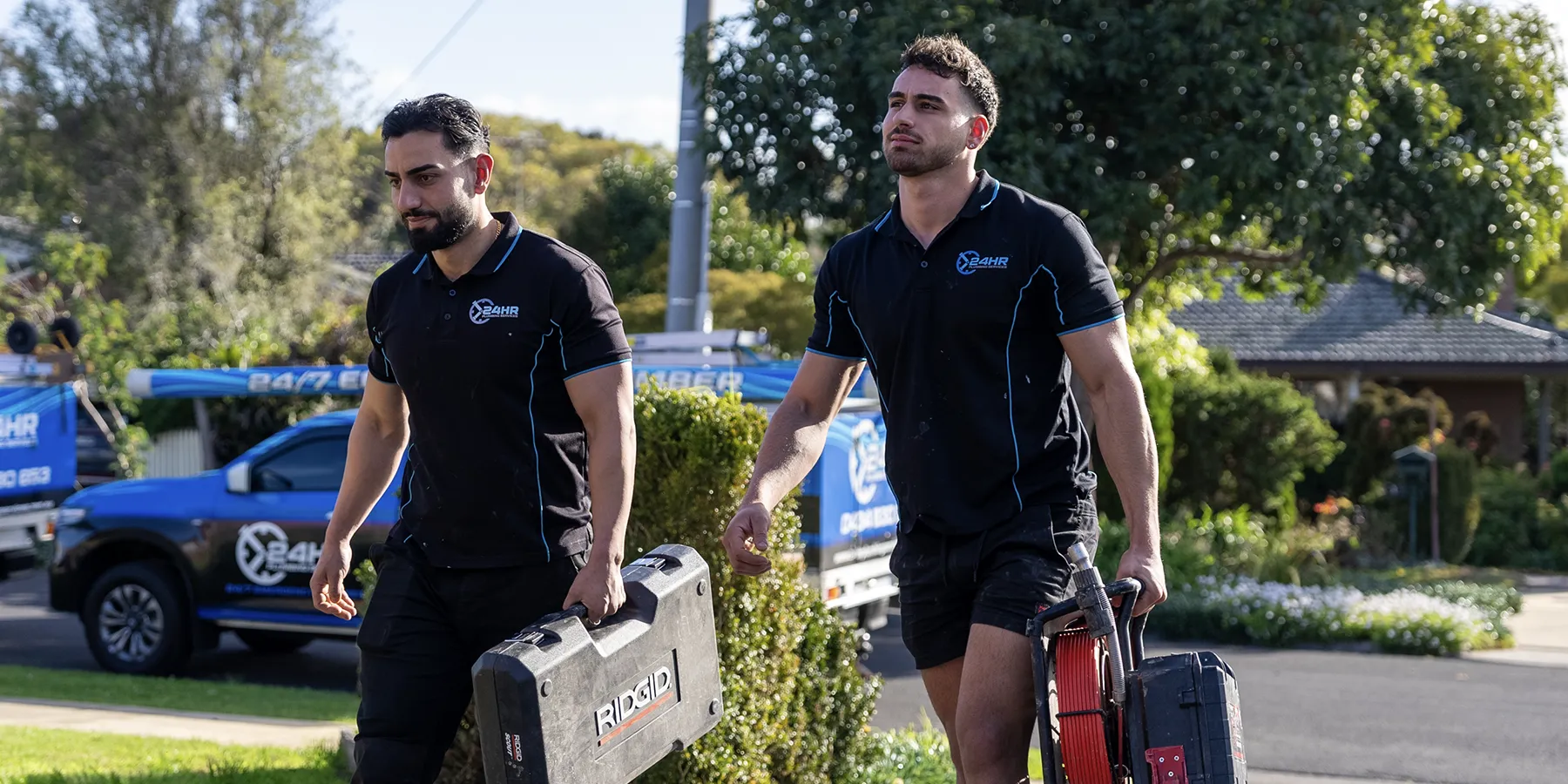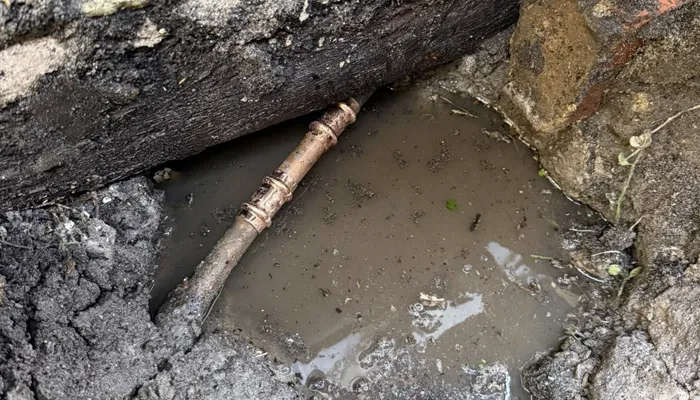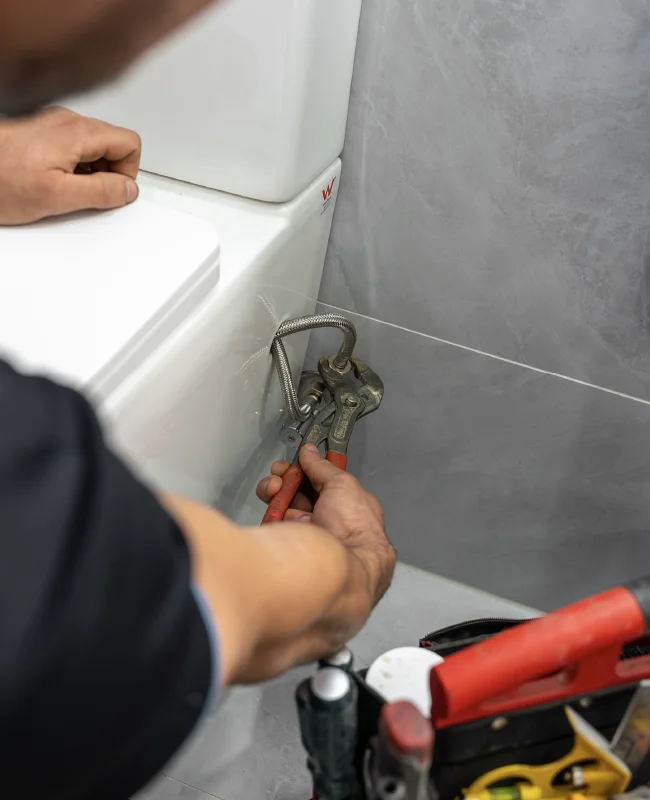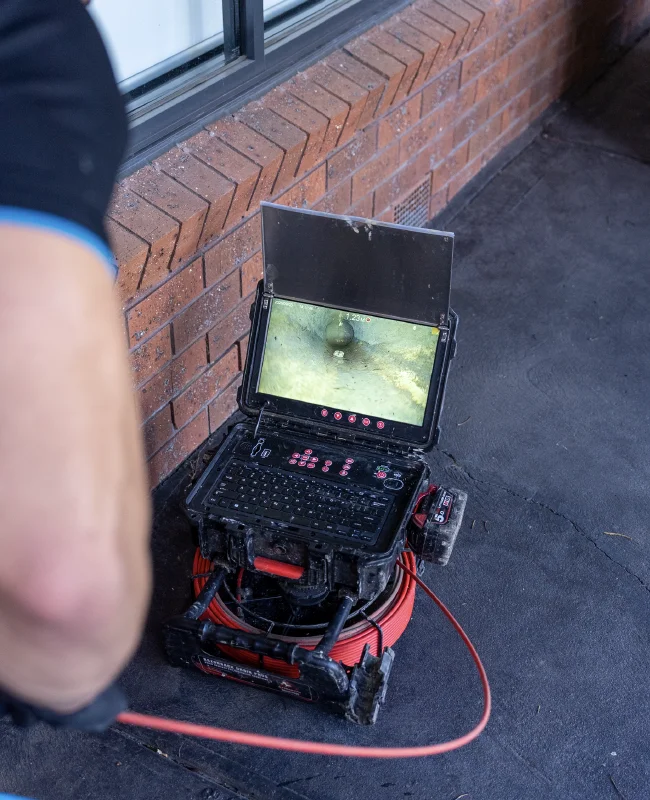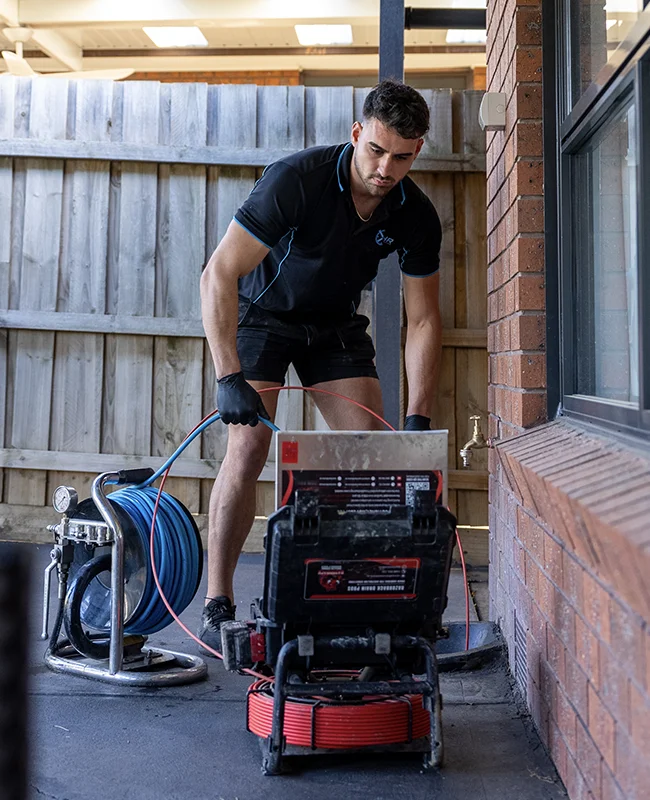





Two main tools. Thermal imaging picks up the temperature difference water creates behind plaster or under tiles, so a wet patch shows up on screen well before it shows up on your wall. Acoustic equipment listens for the sound of water escaping a pressurised pipe, which lets us trace a line under concrete and mark the spot on the surface. We only open up once we know where to open up.
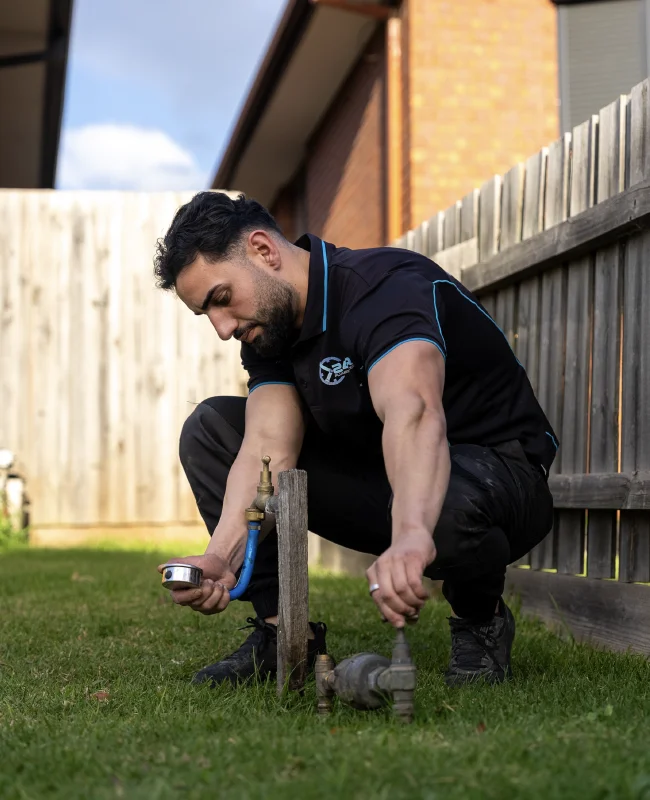
Check your water meter. Turn off every tap inside and out, make sure the toilet is not running and nothing like a dishwasher is mid cycle, then look at the dial. If it is still moving, water is going somewhere it should not. Note the reading, wait an hour and read it again to see how fast you are losing it.
It comes down to where the leak sits. Pipework on your side of the water meter is the property owner's responsibility. Anything on the authority's side of the meter, including the main in the street, is theirs to fix. We will tell you which side of that line your leak falls on, and if it is theirs we will point you at the right number to call.
Often yes for the damage, less often for the pipe itself. Most home policies cover the resulting damage to floors, walls and contents from a sudden escape of water, while the cost of finding and repairing the pipe depends on your particular policy. Worth reading the product disclosure statement or ringing your insurer before you commit. We can provide a written report with photos and the detection findings, which is what most insurers want to see.
Warm or damp spots on the floor, especially if it is a hot water line. Hairline cracks appearing in the slab or in tiles. A water meter that keeps ticking with everything shut off. Hot water running out faster than it used to. A musty smell with no obvious source. Any two of those together is worth a look.
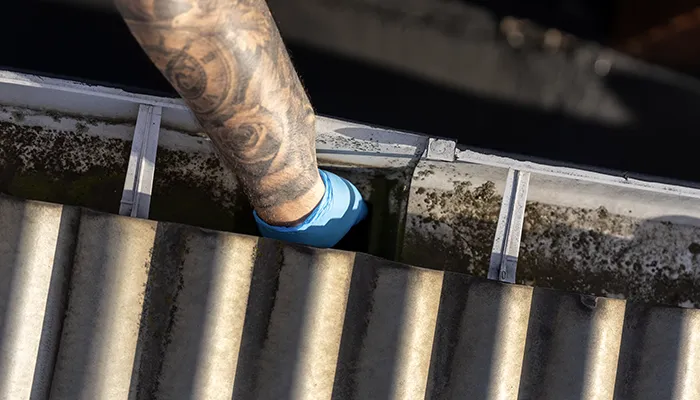
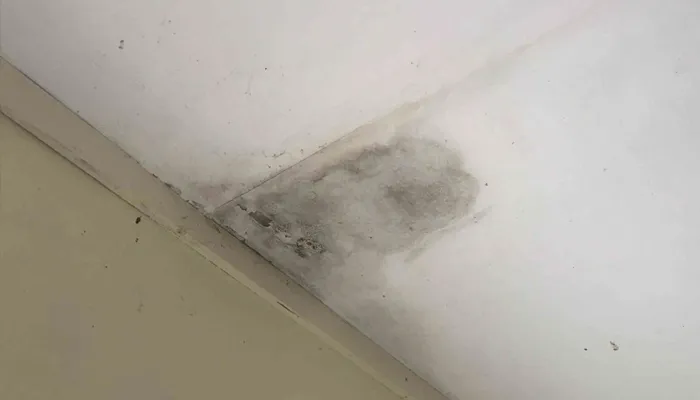
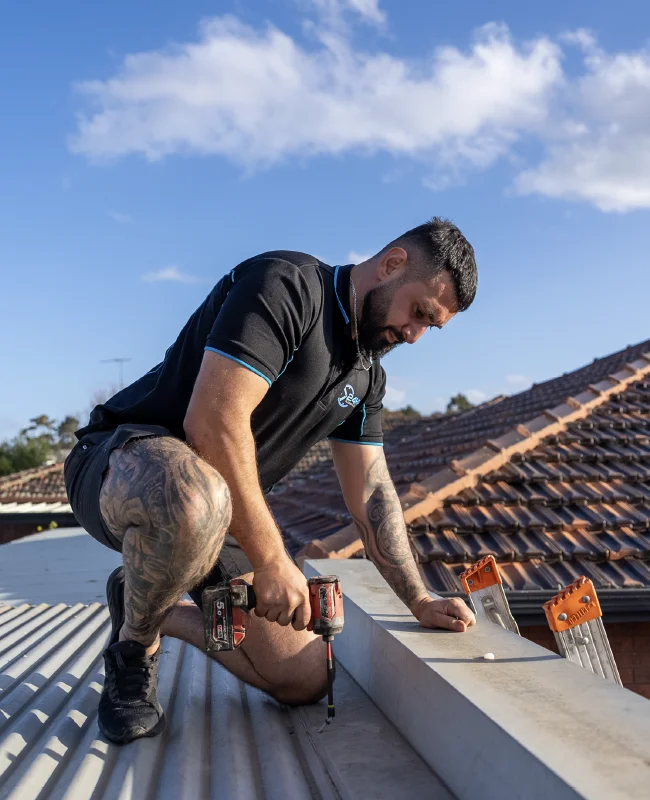
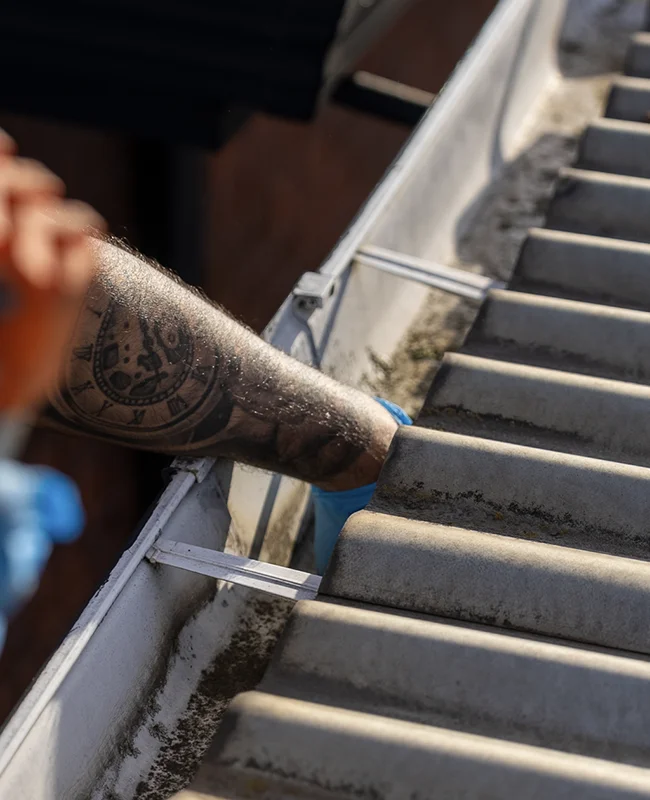
Usually a roof job, and the entry point is almost never directly above the stain. Water runs along battens and beams before it drops. We trace it back to the actual cause, which is commonly a blocked or rusted box gutter, failed flashing around a chimney or vent, a cracked tile, or a valley that has given up.
Most residential jobs are done inside one to two hours for the detection itself. Straightforward repairs are finished on the same visit. If it turns out to be something bigger, like a section of pipe under a slab or a whole line needing replacement, we will quote it and book it in, usually within a day or two.
Only where the repair needs it, and only after the leak is pinpointed. Because we know the location to within a small area, the access hole is as small as we can make it rather than a trench across your floor. In some cases a pipe can be relined or rerouted instead, which avoids breaking the slab at all.


Licensed plumbers across Melbourne, around the clock.
Blocked Drains
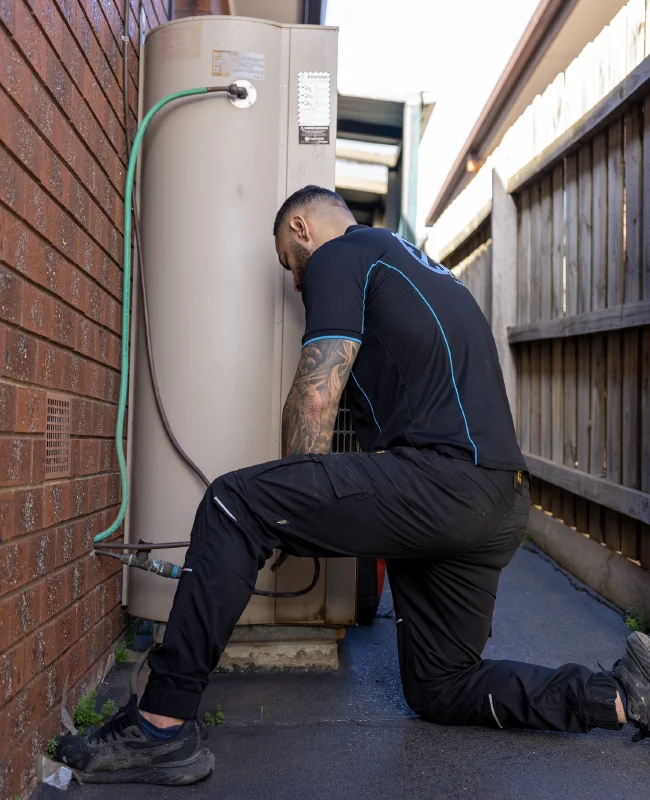
Hot Water
Toilet Repairs
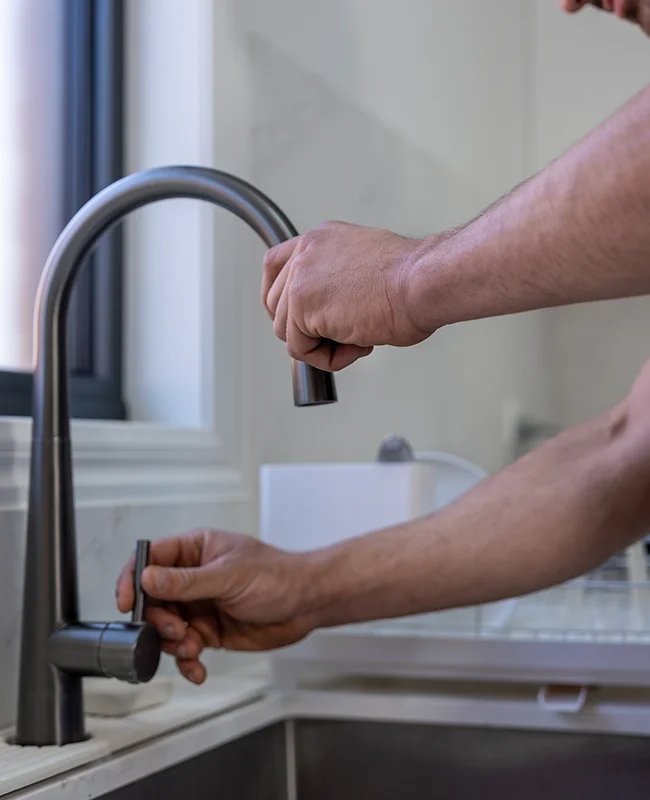
Leaking Taps
Leak Detection
Roof Plumbing
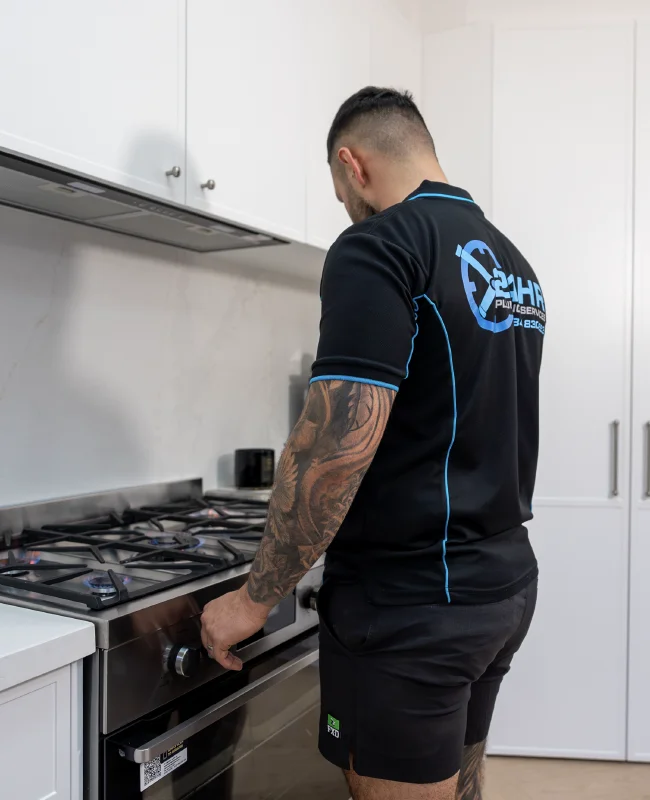
Gas Plumbing
24/7 Emergency Plumbing
Not sure what you need?
Talk to our team